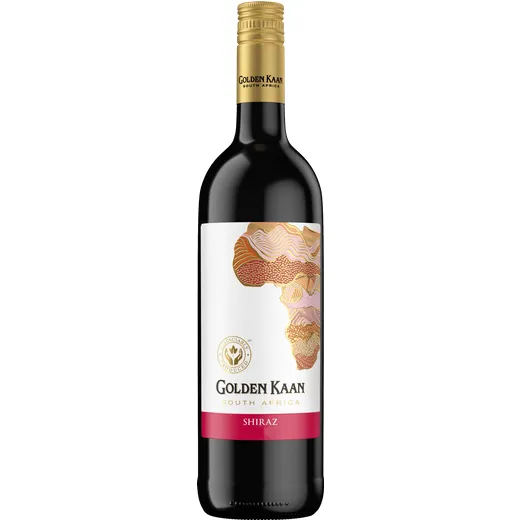
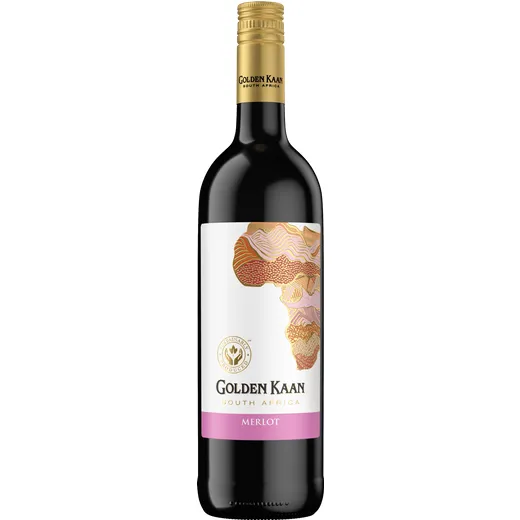
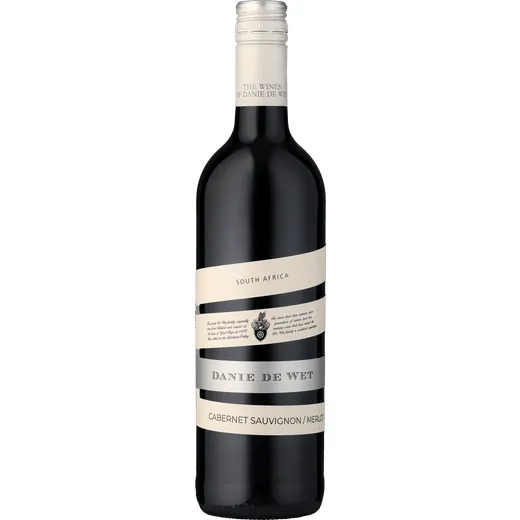
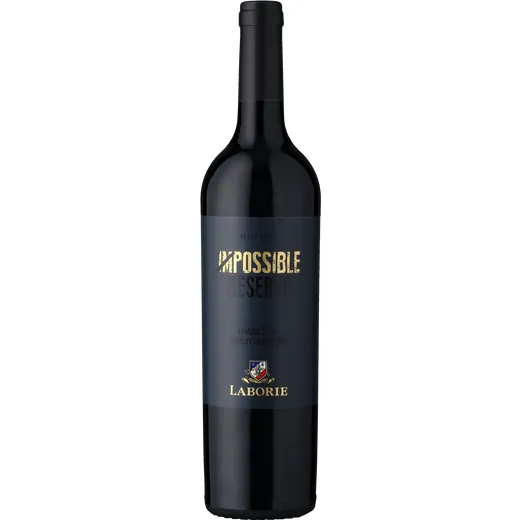
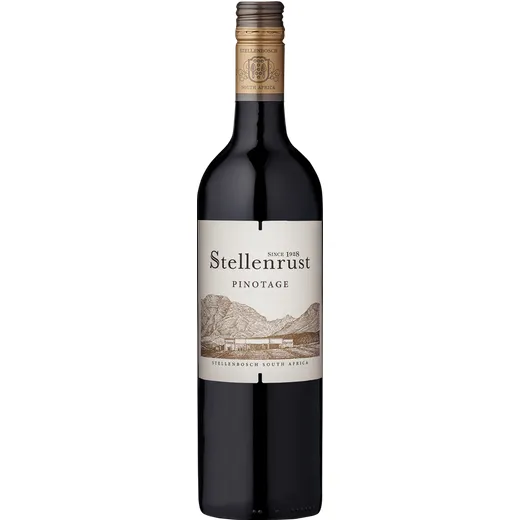
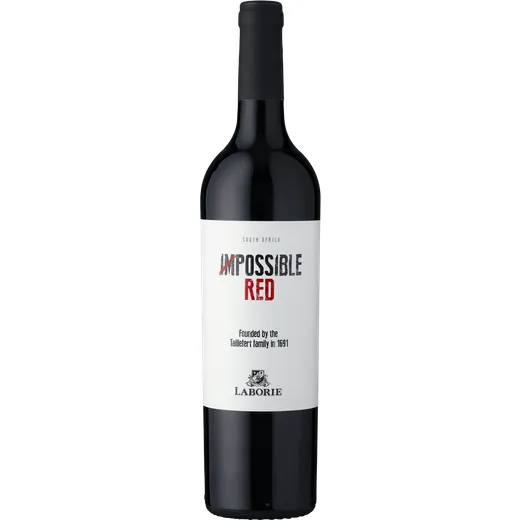
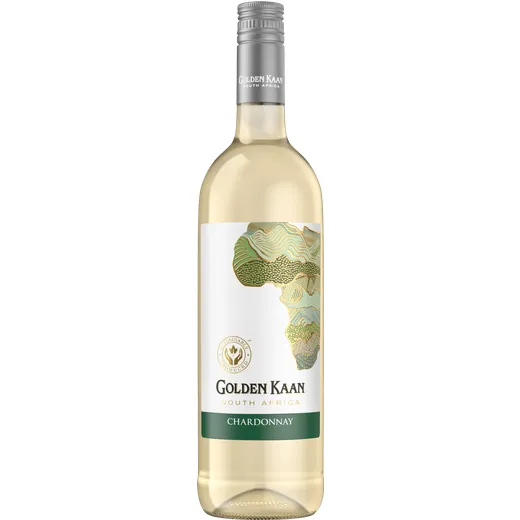
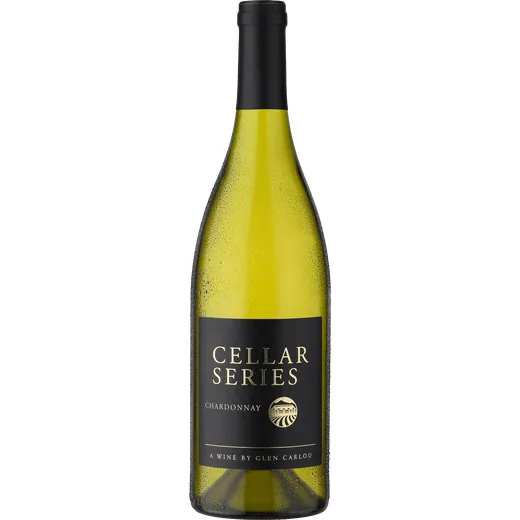
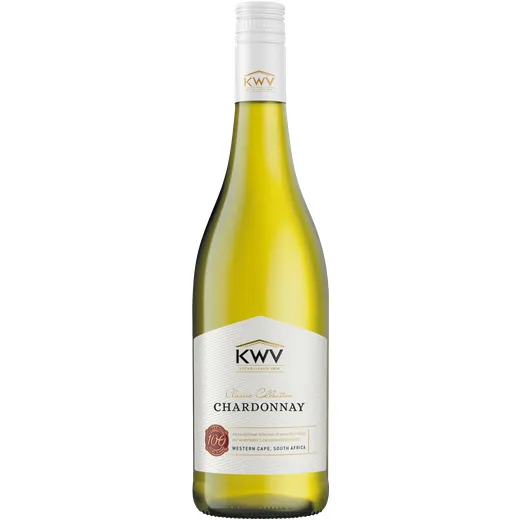
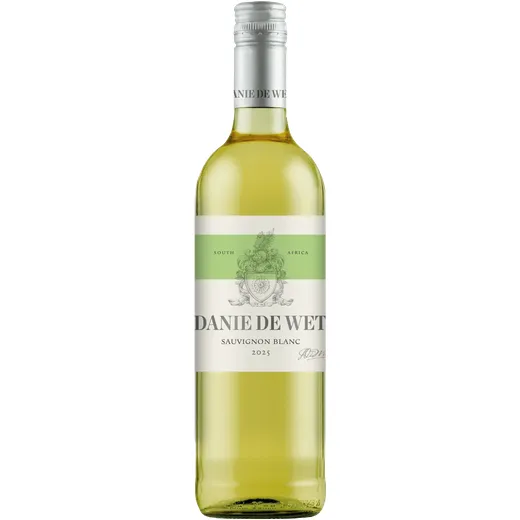
That one line tells you more than the whole front label. A Wine of Origin wine is made entirely from grapes grown in the area it names. If the label gives a grape variety, at least 85 per cent of the wine must be that variety, and the same threshold applies to the vintage. So Robertson, Paarl, Tulbagh or Breedekloof on the bottle means the grapes come from one of the valleys covered on capewinelands.net.
By area, these valleys are the heartland of South African wine. Five SAWIS statistical regions together held just over 57,000 hectares of wine grapes at the end of 2025, roughly two thirds of the country's 86,525 hectares. The sum is not perfectly clean. SAWIS counts Somerset West under Stellenbosch, although it lies outside the district, and groups Franschhoek and Wellington under Paarl; whether Tulbagh is included there as well, the statistics book leaves open. The SAWIS map of statistical districts also gives slightly different figures from the book, for Paarl 13,678 rather than 13,641 hectares.
- Paarl with Franschhoek and Wellington
- 13,641 hawine grapes, SAWIS, as of 31 December 2025
- Robertson with Ashton, Bonnievale, McGregor
- 13,067 ha15.1% of South Africa's vineyards
- Breedekloof with Rawsonville and Slanghoek
- 12,679 ha14.7% of South Africa's vineyards
- Stellenbosch
- 11,478 haincluding Somerset West, 13.3%
- Worcester
- 6,404 ha7.4% of South Africa's vineyards
- South Africa in total
- 86,525 hadown from 98,594 ha in 2015
What Wine of Origin says about where a wine comes from
The system dates from 1973. It ranks origin from large to small: geographical unit, region, district, ward. Below that come the estate and the single vineyard, a plot of no more than six hectares planted with one grape.
The Winelands valleys fall into two regions. The Coastal Region holds the districts of Stellenbosch, Paarl, Franschhoek, Wellington and Tulbagh, the Breede River Valley the districts of Breedekloof, Worcester and Robertson. Franschhoek used to be a ward of Paarl and is now a district of its own. Bonnievale and McGregor are wards in the Robertson district. Sources disagree on how many wards Robertson has in total: WOSA says 14, Wikipedia lists nine.
Montagu does not fit the pattern. In wine law it is a ward of the Klein Karoo region, with no district in between, so it belongs neither to the Breede River Valley nor to Robertson. There is no Wine of Origin district called Cape Winelands. Neither the official SAWIS maps of January 2026 nor the WOSA list include one. The name belongs to the Cape Winelands District Municipality, a political district based in Stellenbosch with five local municipalities, and its boundaries are the ones this site follows.